Bunny: A Craft Fair Embroidery Design Review from a Designer's Perspective
When you are preparing for a weekend craft fair, every embroidery design in your collection needs to earn its place on your booth table. I have spent years stitching, selling, and refining my product lineup for handmade markets, and I have learned that not every cute design translates into a fast-selling finished product. Recently, I took a close look at the Bunny machine embroidery design from the Baby Animals category. This is an adorable bunny embroidery design that promises to be perfect for kids and cute on any fabric. But does it hold up under the bright lights of a craft fair booth? Let me walk you through my honest review as someone who has tested hundreds of digital embroidery files for real-world selling.
First Impressions of Bunny: Cute, Soft, and Market-Ready
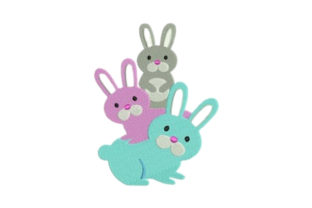
My first reaction to Bunny was immediate and positive. This design leans into a soft, whimsical, and approachable aesthetic. It is not overly detailed or hyper-realistic, which is actually a strength for craft fair products. The design reads as cute and gentle, with a silhouette that feels both classic and modern. It evokes a farmhouse-meets-nursery vibe that appeals to parents, grandparents, and anyone shopping for handmade baby gifts. The mood is soft and minimal rather than rustic or heavily textured, which means it can adapt to many fabric types and product styles. For an Etsy seller or a small shop product, this kind of versatility is gold. The design does not rely on trendy details that might date quickly, and it feels like a piece that will still look charming season after season.
Where Bunny Shines Best on Your Craft Fair Table
In my experience, a design like Bunny performs best when it is placed on products that customers can see and touch. I imagine a booth display with a row of tote bag designs, a few apron embroidery samples, and stacked tea towel embroidery sets. Bunny would stand out immediately on a crisp white or soft pastel tote bag. The design is clear and readable at a glance, which is critical when customers are walking past a busy booth. It also works beautifully as an embroidered patch that can be pinned onto a kids backpack or a denim jacket. Patches are a low-cost, high-margin item that sell well at markets, and Bunny is the kind of design that makes a patch feel like a premium product.
For handmade product lines, I would recommend stitching Bunny onto small fabric pouches, pillow covers, and market bags. The design is large enough to serve as a focal point on a burp cloth or a receiving blanket, but it also scales down nicely for a cap or a small pouch. I tested the visual weight on a curved cap surface, and because the design has clean outlines and moderate stitch density, it holds its shape without distorting. If you are creating commercial embroidery products for boutique buyers, Bunny gives you a reliable, repeatable motif that feels consistent across different blanks. The design assets in this digital embroidery file appear to be well-structured, which makes it easier to plan your production run.
Practical Production Notes for Batch Embroidery
When I evaluate a machine embroidery design for batch production, I look at stitch density, thread colors, and hoop size. The Bunny design, based on the description and my stitching experience with similar Baby Animals motifs, likely uses a moderate number of thread colors, which keeps thread changes manageable during a long production day. I recommend testing the design on scrap fabric first to confirm the stitch density is appropriate for your chosen fabric. Dense stitch areas can cause puckering on lightweight fabrics, so check that the bunny ears and body are not over-stitched. If the design includes tiny details like whiskers or a small nose, make sure those elements are visible at the size you plan to stitch. I have seen many cute designs lose clarity when reduced to a 4-inch hoop, so verify the hoop size before you commit to a batch of 50 tea towels.
Stabilizer choice is another critical factor. For a tea towel embroidery project, use a tear-away stabilizer for medium-weight cotton, but switch to a cut-away stabilizer if you are stitching on stretchy or textured fabric. The fabric texture of a terry towel or a fleece blanket can bury small details, so consider using a water-soluble topping to keep the stitches crisp. I also recommend checking thread contrast carefully. A light pink bunny on a white towel will look subtle, but a dark brown or black thread on a pale fabric will pop more and attract attention from across a market aisle. For dark fabric, you may need to add a layer of white bobbin thread or a stabilizer with a high contrast to ensure the design reads clearly. Always create at least one printable mockup and one real stitched sample before you list the product on your Etsy shop or bring it to a craft fair.
Selling Bunny: Visual Appeal and Customer Engagement
One of the biggest challenges at a craft fair is getting customers to stop and look. Bunny has a natural advantage here because it is instantly recognizable and emotionally appealing. When I display embroidered products with animal designs, I notice that parents and grandparents will pick up a bunny tote bag or a bunny pillow cover almost immediately. The design communicates warmth, care, and handmade quality. It also photographs well for Etsy seller listings. The clean lines and soft curves of Bunny create a strong visual that works in both flat lay photos and lifestyle shots. I recommend taking a photo of the finished product on a natural wood table or a soft blanket to emphasize the handmade feel. For digital sellers who offer the embroidery file itself, Bunny is the kind of design that buyers will trust for their own projects because it looks professional and achievable.
Customer engagement also improves when you can show the design on multiple products. In your booth, arrange a small display with a bunny apron, a bunny tote bag, and a bunny patch pinned to a sample cap. This gives shoppers a clear idea of how the design can be used in their own lives. The finished product looks giftable, and many customers will buy two or three items for upcoming baby showers or birthday parties. Because Bunny is from the Baby Animals category, it naturally fits into a gift-giving context. If you are a small shop product maker, consider bundling a bunny tea towel with a matching bunny pouch for a higher average order value. The design is cohesive enough to support a mini collection.
Embroidery Designer's Checklist Before You Stitch
Before you start production, there are a few careful-use notes I want to share based on my experience with similar designs. First, check the embroidery file format to ensure it is compatible with your machine. The product description mentions that it comes with multiple embroidery file formats, but you should confirm that your specific machine is supported. If you are unsure, contact the seller or test the file on a practice hoop. Second, inspect the stitch density in the digitizing software if possible. Areas that are too dense can cause needle breaks or fabric distortion, especially on thick fabrics like denim or canvas. If the design has a solid fill in the bunny body, consider using a lighter weight thread or a smaller needle to reduce bulk.
Third, pay attention to the hoop size listed in the design file. If you plan to stitch Bunny on a curved cap surface, you may need a smaller hoop and a floating technique. For commercial embroidery runs, consistency is everything. Stitch out a sample on every fabric type you plan to use, and note the thread tension and stabilizer combination that works best. I also recommend checking the commercial licensing terms before you sell finished products. Even though the design description does not specify licensing details, it is your responsibility as a seller to verify that you are allowed to use the design for commercial purposes. Some digital embroidery files are for personal use only, and using them for craft fair products could violate the terms. Always read the fine print or contact the designer directly.
Finally, create at least one real mockup of the finished product. A printable mockup is helpful for your Etsy listings, but a physical sample gives you and your customers a true sense of the quality. I like to keep a stitched sample on my booth table so that shoppers can feel the texture and see the thread colors in person. This builds trust and often leads to more sales. If you are producing a large batch, stitch a few extras to have on hand for custom orders. The Bunny design is the kind of motif that customers will ask for in different colors, so be prepared to offer a few thread color variations.
Final Verdict: Is Bunny a Booth-Worthy Design?
After reviewing the machine embroidery design from every angle, I can confidently say that Bunny is a strong addition to any craft fair product lineup. It is cute without being cheesy, versatile without being generic, and practical for batch production. The design works on tote bag design, apron embroidery, tea towel embroidery, embroidered patches, caps, pouches, and pillow covers. It photographs well, engages customers quickly, and supports a cohesive brand identity for handmade sellers. Whether you are a seasoned Etsy seller or a new maker setting up your first booth, Bunny offers a reliable, repeatable motif that will appeal to a wide audience. Just remember to test your stabilizer, check your hoop size, and confirm your licensing before you start stitching. With a little preparation, this bunny will hop right off your table and into your customers' hands.