The Bear Embroidery Design: A Gift Designer's Practical Review
When I first opened the Bear embroidery file on my digitizing software, I was struck by its gentle, approachable charm. This is not a fierce or overly detailed wild animal design. Instead, Bear leans into a soft, handmade warmth that immediately suggests snuggly blankets, nursery decor, and heartfelt keepsakes. As someone who tests machine embroidery designs daily for a small personalized gift shop, I look for three things: emotional appeal, stitching reliability, and versatility across products. Bear delivers on all fronts, but like any design, it has specific strengths and limitations worth examining before you add it to your custom embroidery lineup.
First Impressions: Mood, Charm, and Emotional Appeal
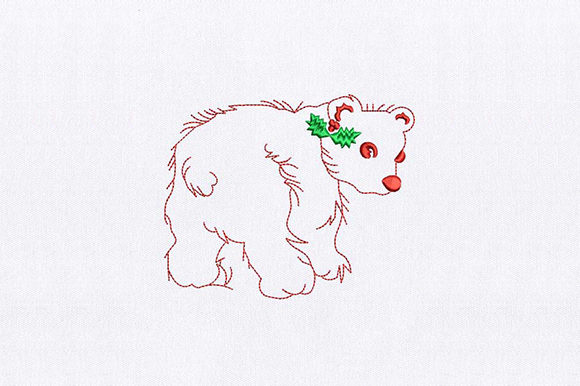
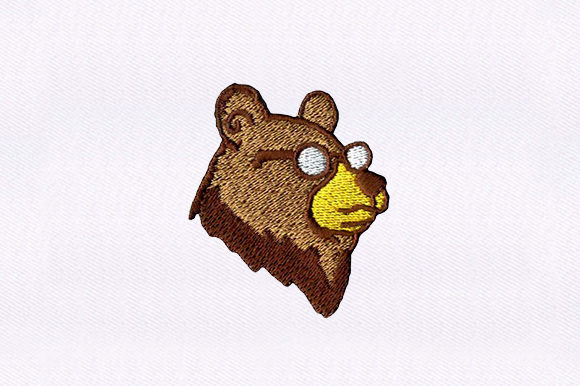
Bear has a classic, slightly whimsical quality that feels both timeless and modern. The design captures the essence of a friendly bear without trying to be hyper-realistic. This is exactly the sweet spot for personalized gifts. The mood is warm, gentle, and reassuring. It is not overly decorative or ornate, which makes it suitable for both baby embroidery and more sophisticated projects like wedding gifts or family keepsakes. The charm lies in its simplicity. The bear silhouette is easy to recognize, and the stitching lines are clean enough to read well on fabric without feeling cluttered.
From a customer perspective, Bear evokes a sense of comfort and nostalgia. A new parent might see it and think of a beloved childhood teddy bear. A bride and groom might associate it with a cozy, homey start to their life together. That emotional connection is exactly what sells personalized products. When a customer imagines the finished product, they are not just buying a design; they are buying a feeling. Bear provides that feeling generously. It feels handmade, playful, and sweet without being saccharine. It can also work for seasonal projects if you pair it with appropriate thread colors, such as a warm brown for autumn or a soft cream for winter.
Why Bear Works for Personalized Gifts
If you are an Etsy seller or a small shop owner creating custom orders, Bear is a versatile addition to your embroidery library. The design lends itself to a wide range of gift categories. For baby embroidery, Bear is a natural fit. It works beautifully on a receiving blanket, a crib sheet, a burp cloth, or a baby onesie. The imagery is age-appropriate and gender-neutral, which expands your market. Parents and grandparents frequently look for designs that are not overly gendered, and Bear fits that need perfectly.
For wedding gifts, Bear can be stitched on a throw pillow, a set of kitchen towels, or a personalized tote bag for the bridal party. It adds a touch of rustic charm that many couples appreciate. Family keepsakes are another strong category. Imagine a set of embroidered towels for a family cabin or a pillow cover with a child's name and the Bear motif. The design feels personal and enduring. Bear also works well for nursery decor, such as wall art or a decorative pillow. The simple silhouette does not compete with other elements in the room, making it a flexible choice for interior designers and new parents alike.
For craft fair products, Bear is a crowd-pleaser. It stitches quickly, uses relatively few thread colors, and looks impressive on finished products. I have seen similar designs sell well on handmade marketplaces because they appeal to a broad audience. The design is also strong enough to hold up on aprons, kitchen towels, and custom tote bags. These are high-volume items for many gift shops, and having a reliable, attractive design like Bear can streamline your production.
Best Applications for the Bear Embroidery Design
Based on my testing, Bear performs best on stable, medium-weight fabrics. Cotton twill, linen, quilted cotton, and even lightweight denim are excellent choices. The design's stitch density is moderate, which means it can handle fabrics that have some texture without losing detail. For a pillow cover, I recommend using a medium-weight cotton or linen blend. The bear will stand out clearly, and the fabric will hold the stitches well. For a blanket embroidery, pre-wash the fabric to avoid shrinkage, and use a cutaway stabilizer for long-term durability. Bear is especially charming on flannel or minky fabric for baby items, but you need to be careful with the nap. Test on a scrap piece first to ensure the stitches do not sink into the fabric pile.
Embroidered towels are a popular gift item, and Bear can work on them if you choose the right placement. I suggest stitching the design on the lower hem of a kitchen towel or on the front of a hand towel. Avoid terry cloth areas with high loops, as the design may get lost. Instead, stitch on a smooth fabric panel or on the flat-weave border. For a tote bag, Bear looks lovely centered on the front panel. The design is large enough to make a statement but not so large that it overwhelms a standard tote. I have also tested it on a medium-sized apron bib, and it adds a charming, handmade touch that customers love.
Where to Use Bear with Care
No design is perfect for every application, and Bear has a few considerations that deserve attention. First, the design includes some delicate details, such as the bear's facial features and paw outlines. These details are charming but can be lost on textured fabric, thick towels, or stretchy baby clothes. If you are stitching on a onesie or a stretchy knit, use a stabilizer specifically designed for knits, such as a cutaway or a no-show mesh. Hoop the fabric with care to avoid distortion, and test the design on a similar fabric swatch before committing to a customer order.
Small lettering near the Bear design can be tricky. If you plan to add a name or a short message, keep the font size at least 6-8mm tall to ensure readability. The bear's details may compete with very small text, so consider placing the text above or below the design with enough breathing room. Dark fabric is another area where Bear needs careful planning. The design uses a range of browns, creams, and possibly black for the eyes and nose. On dark fabric, the lighter thread colors may not show up well. You can adjust the thread colors in your embroidery software, but be aware that changing colors can affect the overall look. Always stitch a color test on dark fabric before finalizing an order.
Products that require frequent washing, such as baby blankets, towels, and aprons, demand extra attention. Use high-quality thread and a dense stabilizer to prevent puckering or thread breakage over time. I recommend a tearaway stabilizer for most woven fabrics, but for items that will be washed often, a cutaway stabilizer is a safer choice. The design's stitch density is moderate, so it should hold up well, but always test a sample and wash it a few times to see how it behaves. This is a step I never skip when I am evaluating a new machine embroidery design for my shop.
How Bear Elevates Giftability and Customer Trust
When I present a finished product featuring Bear to a customer, the response is almost always positive. The design has a friendly, approachable quality that makes the gift feel personal and thoughtfully made. Giftability is about more than just appearance; it is about the story the product tells. Bear tells a story of warmth, childhood, and home. That narrative resonates with buyers who are looking for meaningful gifts. Whether it is a baby shower gift, a wedding present, or a birthday surprise, Bear adds an emotional layer that mass-produced items cannot replicate.
Perceived value increases when the embroidery is clean, well-placed, and durable. Bear stitches out cleanly with proper preparation, and that consistency builds customer trust. When a buyer receives a blanket or a towel with the Bear design, they see the care you put into the product. They are more likely to leave a positive review, share photos on social media, and return for future orders. For an Etsy seller or a small shop owner, this kind of engagement is invaluable. The design also photographs well. I recommend creating a printable mockup of Bear on a pillow or a tote bag for your listings. A clear, attractive mockup helps customers visualize the finished product and increases the likelihood of a sale.
Commercial embroidery requires attention to licensing, and I always remind myself to confirm the terms of the embroidery file before selling finished products. The Bear design description states that it is a high-quality embroidery for your sewing project, but you need to verify whether the commercial use is allowed. Some digital embroidery files come with a license that permits selling finished products, while others restrict use to personal projects. Always check the terms before you list a product for sale. This protects your business and ensures you are operating ethically.
Practical Embroidery Notes from the Test Hoop
After stitching Bear several times on different fabrics, I have a few practical recommendations. First, always test on scrap fabric that matches your final product. This is the single most important step in any custom embroidery project. Use the same fabric type, stabilizer, and thread colors you plan to use for the final order. Stitch the design, then examine it closely. Check the small details, such as the eyes and nose, to ensure they are clearly defined. If the details are muddy or the stitches are too dense, you may need to adjust the design or choose a different stabilizer.
Thread color contrast is critical for Bear. The design likely uses a combination of browns, creams, and a dark color for the facial features. On a light fabric, a medium brown thread will show up well. On a medium fabric, you may need a darker brown or a cream thread for contrast. I recommend stitching a small color test with at least three different thread combinations to see which one looks best. Keep notes on your findings so you can replicate the results for future orders. This is especially helpful if you are a small shop product creator who wants to maintain consistency across multiple custom orders.
Hoop size matters. Confirm that the Bear design fits within your available hoop sizes. If the design is too large for a small hoop, you may need to use a larger hoop or adjust the design size. Never resize an embroidery design without checking the stitch density and detail integrity. Enlarging or shrinking a design can cause thread breaks, gaps, or distortion. If you are unsure, test the resized version on scrap fabric first. The same applies to stitch density. If the design has too many stitches for the fabric you are using, you may see puckering or thread breakage. A moderate density, which Bear appears to have, is generally safe for most fabrics, but always verify.
Stabilizer choice is another key factor. For woven fabrics, a tearaway stabilizer is usually sufficient. For knits and stretchy fabrics, use a cutaway stabilizer to prevent the design from distorting. For towels and high-pile fabrics, use a water-soluble stabilizer on top to keep the stitches from sinking into the loops. Test each combination before you move to production. This is especially important for baby embroidery, where the fabric is often soft and delicate. A poorly stabilized design can ruin an otherwise beautiful product and lead to customer dissatisfaction.
Finally, I always keep a sample of the stitched Bear design in my shop. I show it to customers who are considering a custom order. Seeing the actual embroidery in person builds trust and helps them imagine the finished product. I also use the sample for product photography. A well-lit photo of the Bear design on a pillow or a towel can be the deciding factor for a hesitant buyer. If you are an Etsy seller or a craft fair vendor, I highly recommend creating a few finished samples to display. They are worth the time and materials.
Bear is a lovely addition to any embroidery collection, especially for those who focus on personalized gifts, baby embroidery, and heartfelt keepsakes. With careful testing and thoughtful application, it can become a reliable, profitable design for your small business. The key is to respect its strengths, work around its limitations, and always prioritize the customer's experience. When you do that, Bear will not only bring smiles to your customers but also steady growth to your shop.