Bull Head: A Bold Embroidery Design for Craft Fair Success
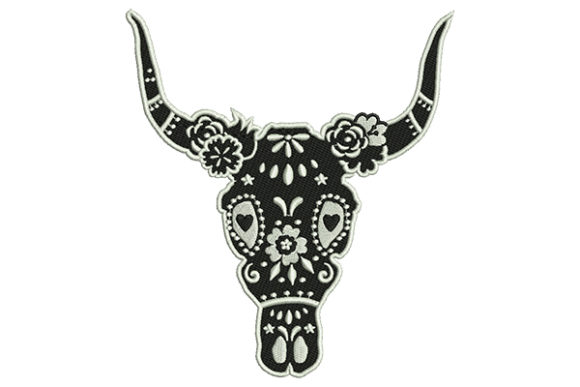
When I first opened the Bull Head machine embroidery design file, I immediately felt its weight. This is not a timid, barely-there accent. This is a bold, farmhouse-strong motif that demands attention. As someone who has prepped countless booth tables for weekend craft fairs, I can tell you that designs like this one are the ones that stop customers mid-stride. The Bull Head design, with its detailed rendering and sturdy presence, taps directly into the rustic, farm-animal aesthetic that handmade shoppers love. Whether you are an Etsy seller stocking your shop, a boutique maker preparing a seasonal collection, or a small shop product developer looking for repeatable winners, this embroidery file has serious potential. Let me walk through exactly what I see, what I would test, and how I would build a booth display around this bull.
First Impressions of Bull Head
My immediate reaction to Bull Head is that it reads as confident and grounded. It is not cartoonish or overly cute. Instead, it feels like a premium, decorative piece that could sit comfortably on a farmhouse shelf or a modern leather tote. The design carries a rustic elegance that makes it suitable for both men and women, which is a rare and valuable trait for a craft fair product. I see it appealing to customers who appreciate livestock motifs, Western aesthetics, or simply strong, clean imagery. The title suggests a detailed look, and that is exactly what I expect from a well-made machine embroidery design. It is the kind of design that photographs well for online listings and holds its own in person on a table display.
Best Products for Bull Head
Based on my experience testing designs for handmade products, Bull Head will shine on a variety of items. Here is where I would focus my production efforts for a craft fair booth:
- Tote bags – A large, centered Bull Head on a natural canvas tote bag is an instant attention-grabber. It walks the line between functional and artistic, making it an easy impulse buy.
- Aprons – A chest-level placement on a denim or cotton apron creates a professional, chef-grade look that appeals to home cooks and grill masters alike.
- Tea towels – A smaller, corner placement on a tea towel gives a farmhouse kitchen vibe. This is a low-cost, high-volume product that sells well in sets.
- Embroidered patches – Bull Head as a standalone patch is a winner. Customers can sew it onto jackets, backpacks, or hats, giving them a customizable product that feels personal.
- Caps – A front-centered design on a structured cap works well, but only if the stitch density is manageable on curved surfaces. I would test this first.
- Fabric pouches and small bags – A small-scale version on a zippered pouch makes a great gift item. It feels premium without being expensive to produce.
- Pillow covers – A large Bull Head on a throw pillow cover creates a decorative accent piece that sells for a higher margin.
- Market bags – Reusable market bags with a bold design are trending, and Bull Head fits that eco-friendly, rustic aesthetic perfectly.
For booth display, I would group these products together. A tote bag, an apron, and a tea towel all featuring Bull Head create a cohesive collection that signals quality and brand consistency. Customers are more likely to buy multiple items when they see a unified look.
Selling and Production Practicality
From a selling perspective, Bull Head is easy to understand at a glance. The subject is instantly recognizable, which is critical for craft fair foot traffic. Shoppers often make decisions in seconds, and a bold bull head eliminates confusion. The design works both as a small accent and a large focal design. At larger sizes, it becomes a conversation piece. At smaller sizes, it remains readable as long as the detail is not too dense. This flexibility is a huge advantage for batch production. I can stitch the same design on a tea towel, a tote bag, and a patch, and each product feels distinct but part of the same line.
For online listings, especially on Etsy, this design photographs well. The contrast between dark thread and light fabric makes the bull pop. I recommend stitching a few samples on different background colors and taking photos in natural light. A printable mockup of the design on a tote bag or apron can also help customers visualize the finished product. Just be sure to use a high-quality mockup that reflects the actual stitch density and thread colors. Buyers appreciate accuracy.
When it comes to repeatability for batch production, Bull Head is a strong candidate. The design is not overly complex, so once you have your hoop size and stabilizer dialed in, you can produce consistent results. I would advise creating at least one real mockup before committing to a large batch. Stitch it out on the exact fabric you plan to use, check the thread contrast, and inspect the stitch density. Only then should you move to production.
Careful-Use Notes for Embroidery Designers
Every embroidery designer knows that not all designs behave the same way on every fabric. Bull Head, with its detailed edges and potential for dense stitch areas, requires some attention. Here are my notes based on similar designs I have worked with:
- Dense stitch areas – If the bull's head has heavy fill areas, especially around the horns or face, use a quality stabilizer. A tear-away or cut-away stabilizer depending on the fabric. Dense stitching can cause puckering on lightweight fabrics, so test first.
- Tiny details and small lettering – The design description does not mention lettering, but if there are any fine details, be cautious at smaller sizes. Tiny details can lose clarity, especially on textured fabrics like towels or fleece.
- Thick fabric – On canvas or denim, the design will hold its shape well. Just use a larger needle and a stronger stabilizer to handle the thickness.
- Textured towels – Tea towels with a loose weave or terry cloth can swallow small details. I would keep the design size moderate and use a water-soluble stabilizer on top to prevent stitches from sinking.
- Curved cap surfaces – If you plan to stitch Bull Head on a cap, use a cap hoop and a lightweight stabilizer. The design should not be too tall or wide, or it may distort on the curve.
- Dark fabric – On dark fabrics, use a light thread color that provides strong contrast. A dark bull on dark fabric will disappear. Test thread colors against your fabric to ensure the design reads clearly.
- Smaller sizes – If you resize the design to fit a small pouch or patch, check that the details remain sharp. Some designs lose their impact when scaled down too much.
Before you start production, I recommend stitching the design on scrap fabric. Adjust the tension, check the thread path, and confirm that the stitch count is within your machine's capabilities. If the design file does not specify hoop size, measure it after your first test stitch and note the dimensions. This will save you time and frustration later.
Visual Appeal and Customer Engagement
Bull Head has a strong visual appeal that triggers an emotional response. For customers who grew up on a farm or love the rustic aesthetic, this design feels like a connection to home. For others, it is simply a cool, bold image that stands out. The design's mood is confident and grounded, not aggressive or scary. It walks the line between decorative and wearable art. On a booth table, I would position the largest item, likely a tote bag or pillow cover, at eye level. Then I would layer smaller items like tea towels and patches around it. This creates a focal point that draws customers in. Once they are close, they can touch the fabric, feel the stitching, and ask questions. That engagement often leads to a sale.
The design also supports brand consistency. If you are building a farm animal or Western-themed collection, Bull Head can be a signature piece. Pair it with other livestock designs, like a horse or a rooster, but keep the style consistent. Customers appreciate a cohesive look, and they are more likely to buy multiple items from a set. For a craft fair, this means higher average transaction value.
Final Embroidery Designer Notes
Before you take Bull Head to market, make sure you have checked the commercial licensing for the embroidery file. Some designs allow unlimited commercial use, while others require a separate license. Confirm this before selling finished products. Also, verify the exact stitch count, thread colors, and hoop size from the file details. These factors affect production time and cost. A high stitch count means a longer sew time, which impacts your pricing. I usually calculate the cost of thread, stabilizer, fabric, and labor before setting a retail price. For a bull head design that is detailed but not overly dense, the value should be clear to the customer. The finished product should feel substantial and well-made, not flimsy or rushed.
One more practical note: create at least one real mockup of Bull Head on the product you plan to sell. Photograph it in good lighting, and use that image in your Etsy listings, social media posts, and booth signage. A printable mockup is helpful for listing photos, but nothing replaces a real stitched sample. Customers want to see the texture, the thread sheen, and the fabric drape. If you can, bring a few stitched samples to your craft fair booth. Let customers hold them, feel the back of the embroidery, and appreciate the quality. That tactile experience is what converts browsers into buyers.
In the end, Bull Head is a strong, versatile machine embroidery design that fits well into the farmhouse and rustic market. It works on a range of products, photographs nicely, and has the visual weight to attract attention. With careful testing, appropriate stabilizer choices, and a thoughtful booth display, this design can become a reliable seller in your handmade product lineup. Whether you are a seasoned Etsy seller or a weekend craft fair newcomer, Bull Head offers a solid foundation for building a collection that resonates with customers who value quality, character, and a touch of the farm.