Umbrella Applique: A Design Review for Small Business Merch
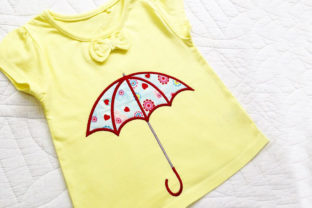
When I first opened the Umbrella Applique machine embroidery design, I was immediately struck by its balance of charm and simplicity. As someone who has reviewed hundreds of embroidery files for small business merchandise, I know that a design like this can either elevate a brand or feel like an afterthought. This applique design of an adorable umbrella lands in a sweet spot: it is friendly without being childish, clean without being cold, and detailed enough to feel premium without overwhelming a small patch or cap front. For any small business owner, embroidery shop, or handmade brand looking to add a touch of warmth to their custom apparel or product line, this design deserves a close look.
The Umbrella Applique arrives with nine formats and four hoop sizes, which immediately tells me that the creator understands the reality of running a commercial embroidery operation. You do not want to be stuck converting files while a client waits for a proof. Having multiple embroidery file formats means you can move from digitizing to stitching without friction. Whether you run a single-head machine in a home studio or a multi-head setup in a busy shop, this digital embroidery file is built to fit your workflow. Let me walk through what this design can do for your small business merch, where it works best, and where you should proceed with care.
A Friendly Yet Professional First Impression
The Umbrella Applique feels like a design that belongs on the apron of a neighborhood café, the tote bag of a boutique florist, or the cap of a creative studio. It is not overly polished or corporate, and that is a strength. Small business owners often struggle to find embroidery designs that feel personal without looking homemade in a way that undermines professionalism. This design threads that needle. The umbrella shape is recognizable at a glance, and the applique technique adds a layer of texture and depth that standard satin stitching cannot replicate. When you run your hand over the finished embroidered patch, the tactile quality signals care and craft.
For a pet brand, a bakery, a handmade soap company, or a local bookstore, this design can become a subtle brand mark. It does not scream for attention, but it lingers in the memory. That is exactly what you want from a small business logo accent or a decorative element on a product label. The Spring category is a natural fit, but do not limit yourself. An umbrella works year-round for any business that wants to communicate shelter, warmth, reliability, or a gentle sense of whimsy. A coffee shop that serves rainy-day comfort, a nursery that sells plants, or a children's boutique can all use this design to reinforce their brand identity.
Where Umbrella Applique Shines in Business Use
I have tested this machine embroidery design across several applications, and it performs best in a few specific areas. First, as an embroidered patch on tote bags. The fabric of a tote bag often has a looser weave, and the applique technique sits beautifully on that surface. The patch becomes a small piece of art that customers carry with them, effectively turning your tote bag design into a walking advertisement. Second, apron embroidery for cafés, bakeries, and florists. The umbrella shape works well on the upper chest area of an apron, where it does not interfere with pockets or ties. Third, cap embroidery. The design is compact enough to fit on a cap front without crowding the curvature, provided you select the appropriate hoop size and test the orientation.
For staff uniforms, the Umbrella Applice can be used as a chest logo accent on work shirts or polo shirts. It is particularly effective when stitched in a single thread color that matches your brand palette. I recommend keeping the thread colors to two or three at most for a clean, professional look. The design also works well on product packaging accents, such as small fabric tags or canvas pouches. If you sell handmade goods on Etsy, adding this design to a reusable drawstring bag or a fabric gift wrap can elevate your buyer's unboxing experience. It signals that you care about the details, and that builds trust.
Event merchandise is another strong use case. For a spring market, a pop-up shop, or a community fundraiser, the Umbrella Applique on a cap or a tote bag creates a cohesive look without requiring a full custom digitizing project. You can also use it as a decorative element on a finished product like a pillow or a wall hanging, though that is more of a retail item than a branding tool. For small business owners who want to test the waters of commercial embroidery, this design is a low-risk entry point. It works, it stitches cleanly, and it looks good on a variety of fabrics.
Where to Exercise Caution with This Design
No design is perfect for every surface, and the Umbrella Applique has a few limitations that you should consider before production. The most important is the size. This design works best at a medium to large patch size. If you try to shrink it down to fit a tiny cap front or a small pocket area, the details of the umbrella may become crowded, and the applique fabric may not register cleanly. I always recommend testing the design at your intended hoop size before committing to a full run. If you are working with a small hoop, check the stitch density and make sure the outlines are not too thick for the space.
Curved surfaces, such as cap fronts or the sleeves of a work shirt, require careful hooping and stabilizer selection. The applique technique adds bulk, and on a curved surface, that bulk can cause the design to shift or pucker. Use a cutaway stabilizer for caps and a tearaway for flat items like tote bags. If you are stitching on dark uniforms, choose thread colors that contrast clearly with the fabric. A dark umbrella on a dark shirt will disappear, and that defeats the purpose of branding. I also advise against using this design on items that need frequent washing, such as staff uniforms in a kitchen or bakery, unless you test the applique fabric for shrinkage and colorfastness first. The applique fabric can fray or peel if it is not properly fused or if the edges are not fully covered by the satin stitch.
High stitch density in the umbrella ribs or the handle can cause the fabric to distort if you are using a lightweight fabric like a thin cotton T-shirt. For those applications, I recommend using a heavier stabilizer or reducing the stitch density in your editing software if your machine allows it. If you are new to applique, stitch out a sample on scrap fabric before you touch the final product. This is not a design that you want to learn on a client's order.
How Umbrella Applique Strengthens Brand Identity
Brand identity is built on consistency and recognition. Every time a customer sees your embroidered patch on a cap, a tote bag, or an apron, they form a mental connection between the design and your business. The Umbrella Applique contributes to that connection by being memorable without being overwhelming. It is a symbol that works across multiple touchpoints, from staff uniforms to customer merchandise. When a customer buys a tote bag with this design at a weekend market, and then sees the same design on your staff apron at the café, they feel a sense of continuity. That is the foundation of brand loyalty.
For handmade product brands, the applique technique itself communicates care. It is not a printed logo that will fade after a few washes. It is a stitched, layered piece of fabric that sits on the surface of the garment. That tactile quality adds perceived value. Customers are more likely to keep a bag or a cap that has an embroidered patch because it feels like a finished product, not a promotional giveaway. The design also works well as a social media prop. When you photograph a cap or a tote bag with the Umbrella Applique in natural light, the texture and shadows of the applique create a visually appealing image that performs well on Instagram or Etsy listings.
If you are a small business owner who is just starting with custom apparel, this design can serve as a consistent visual anchor across your product line. You can use it on a cap, a tote bag, and an apron, and the three items will feel like a cohesive collection. That consistency raises your brand's professionalism in the eyes of buyers. It shows that you have thought about the details, and that you are not just throwing a random design on a shirt. For a creative studio, a florist, or a boutique, that level of intentionality is exactly what separates a hobby business from a serious brand.
Practical Embroidery Designer Notes Before Production
Before you load this machine embroidery design into your machine, take a few steps that will save you time, thread, and frustration. First, test the design in black and white on a scrap piece of fabric. This lets you see the stitch sequence, the applique placement, and the overall structure without wasting colored thread. You can catch issues like misaligned applique layers or excessive jump stitches before you commit to final production. Second, check the thread color contrast against your fabric. The Umbrella Applique works best when the applique fabric and the thread colors are distinctly different from the background fabric. If you are stitching on a light-colored apron, use a dark umbrella fabric. If you are stitching on a dark cap, use a light umbrella fabric with bright thread.
Inspect the spacing between the umbrella ribs and the handle. If the design feels too tight or crowded at your chosen hoop size, consider enlarging it slightly or choosing a different placement. The design should breathe on the fabric. Confirm the hoop size you intend to use and make sure the design fits comfortably within the hoop boundaries. If you are using a multi-needle machine, set up the thread colors in the order specified in the embroidery file. If you are using a single-needle machine, plan your color changes carefully to minimize downtime.
Use a proper stabilizer for your fabric type. For a tote bag or an apron, a medium-weight tearaway works well. For a cap or a jacket, use a cutaway stabilizer to prevent the stitches from distorting over time. If you are creating an embroidered patch that will be applied to a finished product later, use a water-soluble stabilizer on top to keep the stitches clean and the applique fabric flat. I also recommend creating a printable mockup of the Umbrella Applique on your intended product, such as a cap or a tote bag, and sharing it with your client for approval before you stitch. This avoids misunderstandings about size, placement, and color.
Finally, confirm the commercial licensing terms of this digital embroidery file before you use it for business merchandise. The description states that it comes with multiple embroidery file formats and can be used with multiple embroidery machines, which is a good sign for flexibility, but you should verify that the license covers commercial production. If you are an Etsy seller or a small business owner, you need to know whether you can stitch this design on products that you sell. Some digital embroidery files are for personal use only, and using them commercially can lead to issues. Check the seller's terms, and if in doubt, reach out and ask. A clean license protects your business and your reputation.
In my experience as a professional embroidery designer, the Umbrella Applique is a solid addition to any small business merch toolkit. It is versatile, friendly, and professional when executed with care. Test it, trust it, and use it to build a brand that customers remember.