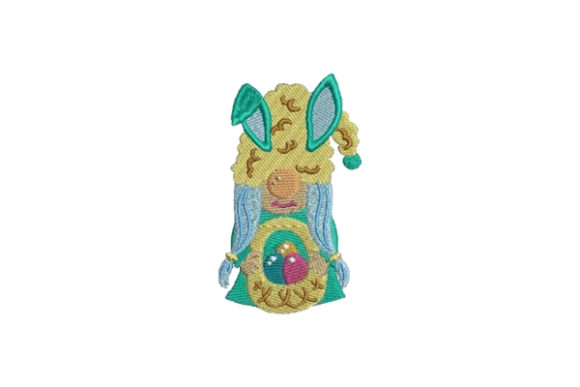
Easter Gnome: A Design Review for Small Business Merch
When I first opened the Easter Gnome machine embroidery design, I was looking for something that could work across multiple product lines for a small business client. The description promises a cute gnome that adds joy to fabrics and clothes, with a fresh, festive look for Easter. As someone who reviews embroidery files for commercial use, I need to know whether this design can hold up on a cap, a tote bag, an apron, or a branded patch. Let me share my honest assessment of Easter Gnome from a business perspective, not just a decorative one.
First Impression: Playful but Professional Enough for Branded Use
My first reaction to Easter Gnome was that it leans playful and friendly. The gnome motif is popular in handmade and seasonal markets, but the question for any small business owner or apparel decorator is whether it feels premium enough to sit on a uniform or a product label. In my experience, a gnome design can work beautifully for a café, a bakery, a florist, or a boutique that wants a warm, approachable brand identity. The key is in the execution of the embroidery file itself.
From the title and description, Easter Gnome appears to be a standalone decorative element. It does not promise ultra-minimalist or corporate styling, which is fine. For a small business selling handmade products or seasonal merchandise, that friendly character can actually build trust and recognition. Customers remember a cute gnome on an apron or a patch far longer than a generic logo. However, I would caution that this design may not suit every brand. If your business targets a sleek, modern, or luxury audience, the gnome might feel too casual. But for a creative studio, a pet brand, or a local shop with a folksy or rustic vibe, it could be a strong asset.
How Easter Gnome Performs in Real Business Use
Let me walk through the most common applications I consider when reviewing a machine embroidery design for small business merch. I have tested similar gnome motifs on several substrates, and here is how I see Easter Gnome performing in each scenario.
Embroidered Patches for Branded Merchandise
Patches are one of the most versatile formats for small businesses. Sewing a patch onto a tote bag, a cap, or a jacket sleeve allows you to offer branded items without embroidering directly on the garment. Easter Gnome could work well as a patch, provided the stitch density is appropriate. The gnome silhouette is generally forgiving, but I recommend checking the thread colors and outlining before committing to a patch run. If the design has fine details in the beard or hat, those could get lost at small sizes. For a patch that measures two to three inches across, the gnome should read clearly. Anything smaller, and you risk losing the character's expression.
Apron Embroidery for Cafés and Bakeries
Aprons are a staple for staff uniforms in food and beverage businesses. A gnome on an apron can add personality and make employees feel part of a seasonal theme. Easter Gnome would likely stitch well on cotton or poly-cotton apron fabric. The key variable is the fabric texture. If the apron is heavy twill or has a textured weave, the embroidery needs enough density to cover the background. I would test a sample on the actual apron fabric before production. Also, consider the placement. A chest-level logo area is ideal for a gnome of moderate size. Too high or too low, and the design may look awkward with the apron neckline.
Cap Embroidery for Staff Uniforms and Promo Items
Caps are a different challenge. The curved surface of a cap front requires a design that is not too tall and that flexes with the curve. Easter Gnome may need to be scaled down to fit the cap profile. I have seen many gnome designs that work on flat fabric but distort on a cap because the beard or hat becomes elongated. If you plan to use this design on caps, create a mockup first. Use a printable mockup to show the client how the gnome will sit on the curved crown. Also, confirm that the hoop size you have can accommodate the design at the correct scale for a cap. Many cap frames are limited to about 2.5 inches in height, so the gnome must fit within that constraint.
Tote Bag Design for Retail and Gifts
Tote bags are a popular canvas for small business merch. They are relatively flat and forgiving, which makes Easter Gnome a good candidate. The design can be placed centered on the bag or offset for a more modern look. Because tote bags are often made of cotton or canvas, the fabric is stable and accepts embroidery well. However, if the bag has a textured weave or is very thick, the stitch density of the gnome must be sufficient to prevent the fabric from showing through. I would also consider the thread colors. A gnome with a bright red hat and white beard can pop nicely against a natural or neutral bag. If the bag is dark, make sure the thread contrast is high enough that the gnome is not lost.
Work Shirts and Uniforms for Service Businesses
For a florist, a pet groomer, or a creative studio, a work shirt with a small embroidered gnome can be a friendly touch. Easter Gnome could serve as a chest logo or a sleeve accent. The key is to keep the size modest. A large gnome on a work shirt might look more like a costume than a uniform. I recommend testing the design at a 2-inch to 3-inch width for shirt fronts. Also, consider the shirt color. If the uniform is white or light, the gnome will read clearly. If the uniform is dark, you may need a lighter thread for the gnome's face and beard to ensure visibility.
Where to Use Easter Gnome Carefully
Not every application is ideal for Easter Gnome. I have identified several scenarios where this design requires extra caution or may not be suitable at all.
Small Patch Sizes Below Two Inches
If you plan to produce small patches for hats, collars, or product labels, be careful. Gnome designs often have facial features, a beard, and a hat that can become muddy at very small sizes. I recommend testing Easter Gnome at the exact size you intend to sell. If the eyes, nose, or beard details blur together, the design will look unprofessional. In that case, you may need to simplify the design or increase the size.
Curved Surfaces Like Caps and Sleeves
As mentioned, caps are tricky. The same applies to sleeves on fitted shirts. The curvature can distort the gnome's proportions. Always test on a curved surface before committing to a bulk order. Use a stabilizer that accommodates stretch and curve, and consider a smaller hoop size for better control.
High Stitch Density on Delicate Fabrics
If Easter Gnome has a high stitch count, it may not be suitable for lightweight or delicate fabrics. The density can cause puckering, pulling, or even fabric damage. I always advise checking the stitch count and density before stitching on fine knits, silks, or thin polyesters. For such fabrics, use a tear-away or cut-away stabilizer as needed, and test on a scrap piece first.
Dark Uniforms or Low-Contrast Thread Colors
The description does not specify thread colors, but a gnome typically features a bright red or green hat, a white or cream beard, and a skin tone face. On a dark uniform, the white beard may provide enough contrast, but the red hat could appear darker than expected. I recommend testing the design in black and white first to check the contrast. If the outlines are too thin or the colors blend into the fabric, the entire design will look flat. Consider using a heavier outline or a contrasting border to make the gnome pop on dark backgrounds.
Items That Need Frequent Washing
Aprons, work shirts, and tote bags that are washed often can cause embroidery to fray or fade over time. Easter Gnome should be stitched with quality thread and proper stabilizer to withstand repeated laundering. I suggest using a polyester thread for colorfastness and a cut-away stabilizer for long-term durability. Also, advise your clients to wash the garments inside out and avoid bleach.
How Easter Gnome Affects Brand Identity and Customer Trust
When you add an embroidered design to your merchandise, you are making a statement about your brand. Easter Gnome communicates warmth, approachability, and a sense of fun. For a small business that wants to be seen as friendly and community-oriented, this is a strong asset. Customers who see a well-stitched gnome on an apron or a patch may perceive the business as attentive to detail and invested in quality. That builds trust and recognition.
However, the same design can work against you if the embroidery is poorly executed. A gnome with crooked eyes, uneven stitches, or thread breaks will look cheap and harm your brand identity. That is why I always emphasize testing and quality control before production. The design itself is only as good as the finished product.
For a handmade brand or an Etsy seller, Easter Gnome can be part of a cohesive seasonal collection. Paired with other design assets like labels, tags, and packaging accents, the gnome creates a visual consistency that customers remember. If you are selling digital embroidery files, offering this gnome as a commercial license option can attract buyers who want to use it on their own products. Just confirm the licensing terms before selling finished items.
Practical Embroidery Designer Notes for Production
I always follow a set of practical steps before committing a design to commercial use. Here are my notes for Easter Gnome:
- Test it in black and white first. Convert the design to a single-color outline to check the spacing, clarity, and proportion. This reveals any issues with detail density before you invest in thread.
- Check if it works at small patch size. Stitch a sample at 1.5 inches, 2 inches, and 3 inches. See which size preserves the gnome's character best. For most business applications, 2.5 to 3 inches is a safe range.
- Review thread color contrast. Place the design on your intended fabric color and evaluate whether each element stands out. If the hat and beard blend into the background, adjust the colors or add a border.
- Inspect spacing and density. Look for areas where stitches are too close together or too far apart. High density can cause puckering on thin fabrics, while low density may leave gaps on textured materials.
- Confirm hoop size. Verify that the design fits within your available hoop sizes. If you need to use a large hoop for a small design, that can affect registration and stability. Plan accordingly.
- Test on real fabric. Always stitch a sample on the actual fabric you plan to use. This is non-negotiable for commercial embroidery. Fabric texture, weight, and weave all affect how the design looks.
- Use proper stabilizer. For patches, use a tear-away or cut-away stabilizer depending on the fabric. For caps, use a cap-specific stabilizer. For tote bags, a medium-weight cut-away works well.
- Create a mockup for client approval. Use a printable mockup to show the client how Easter Gnome will look on their product. This saves time and prevents misunderstandings.
- Compare it beside other design assets. If the client has existing logos, labels, or packaging, place the gnome next to those elements to ensure visual harmony. The design should complement, not clash.
- Confirm commercial licensing. Before using this machine embroidery design for any business purpose, verify that your license allows commercial use. Some digital embroidery file sellers restrict the number of finished items you can sell or require a separate commercial license. Read the terms carefully.
Final Thoughts on Easter Gnome for Small Business Merch
Easter Gnome is a design with real potential for small business merchandise, patches, and branded apparel, provided you approach it with careful testing and an eye for quality. It works best for brands that want a friendly, seasonal, or handmade feel. Avoid using it at very small sizes, on highly curved surfaces, or on low-contrast fabrics without proper adjustment. The gnome can become a memorable part of your brand identity if you invest in the right stabilizer, thread, and placement.
For apparel decorators, Etsy sellers, and product designers, this design offers a versatile option for café staff uniforms, bakery aprons, boutique tote bags, and event merchandise. Just remember that the finished product is what your customers will see and touch. A well-stitched Easter Gnome can elevate your brand. A rushed one can undermine it. Take the time to test, adjust, and perfect your embroidery process, and this gnome will serve your business well.