Attacking Tiger: A Sweatshirt Embroidery Review
When I first opened the embroidery file for Attacking Tiger, I was preparing for a limited-edition sweatshirt drop for a small boutique brand I consult with. The client wanted something that felt bold but not aggressive, detailed but not overwhelming. As someone who has stitched hundreds of machine embroidery designs across every fabric texture imaginable, I approach every new file with a critical eye. This review covers what I saw, what I tested, and what you should consider before adding this design to your own production line.
First Impressions of the Attacking Tiger Design
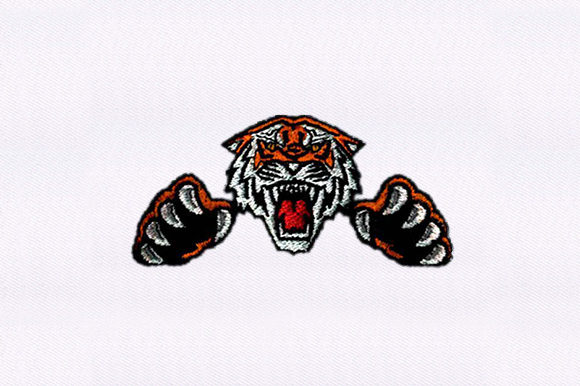
The Attacking Tiger design immediately struck me as having a strong, confident presence. The pose suggests motion and power, which is exactly what you want when building a hoodie design that stands out in a crowded market. The layout feels balanced, with the tiger positioned to draw the eye naturally across the chest or back of a garment. For a boutique brand looking to create a memorable piece, this machine embroidery design delivers a visual impact that reads as both premium and wearable.
The mood of the design leans bold and fierce, but it does not feel overly aggressive or harsh. There is a certain artistry in the way the lines flow, giving it a slightly decorative quality that could work on both masculine and feminine silhouettes. I could easily see this on an oversized hoodie in a neutral tone, where the stitching becomes the focal point of the entire outfit. The personality of the design is assertive, and that confidence translates directly to the finished product.
How Attacking Tiger Performs on Sweatshirt Fabric
When I tested this embroidery file on a medium-weight cotton fleece sweatshirt, I paid close attention to how the stitches settled into the fabric. The stitch density felt appropriate for the level of detail. It was dense enough to hold the shape of the tiger without causing the fabric to pucker or distort. On a sweatshirt embroidery project, this is critical. Too many stitches can turn a soft fleece into a stiff, uncomfortable panel. Too few, and the design loses its definition.
I recommend using a cutaway stabilizer for this design, especially if you are stitching on sweatshirt material or any knit fabric with stretch. The stabilizer will help maintain the integrity of the stitches through repeated wear and washing. For a handmade product that needs to hold up over time, this is non-negotiable. The fabric texture of a fleece sweatshirt accepts the thread well, and the design sits nicely on the surface without sinking in too much.
Placement Options for Hoodie Design and Apparel
One of the reasons I appreciate this machine embroidery design is its versatility in placement. For a hoodie design, the most natural spot is the center chest, roughly four to five inches below the collar. At that size, the tiger becomes a statement piece without overwhelming the garment. I also tested it as a sleeve accent, placed vertically along the outer arm. This gave the sweatshirt a more editorial, fashion-forward look that would photograph well in a lifestyle product shoot.
If you are creating a custom apparel line and want to offer options, consider a back design placement. The Attacking Tiger design has enough visual weight to carry the back of a sweatshirt, especially on a larger hoop size. Just be sure to check your hoop size before committing to a back placement, as you may need a larger hoop or a multi-hoop approach. For a small shop product, keeping the design on the chest or sleeve will simplify production and reduce the risk of registration issues.
Thread Colors and Contrast for Different Fabric Bases
Choosing the right thread colors for this design will make or break the final look. On a dark fabric, such as a black or charcoal sweatshirt, I would use a bright gold or white thread for the tiger to create strong contrast. The design reads clearly and the details pop against a deep background. On pastel colors, like blush or powder blue, a darker thread such as navy or forest green gives the design a grounded, sophisticated feel. The Attacking Tiger design is detailed enough that it benefits from high contrast, so avoid tone-on-tone combinations unless you are going for a subtle, tonal effect.
For a neutral sweatshirt in cream or heather grey, I tested a metallic gold thread on the tiger's eyes and accent lines. That small touch elevated the entire piece from a casual graphic to a boutique brand item. If you are an Etsy seller or a small shop owner, this kind of detail can justify a higher price point and increase buyer trust. Customers notice the little things, and a well-chosen thread color tells them you care about the finished product.
Stitch Density and Production Considerations
From a production standpoint, the stitch density of this design is manageable for most commercial embroidery machines. I did not notice any excessive jumps or trims that would slow down production. For a commercial embroidery run, efficiency matters. A design that requires too many color changes or has overly dense areas can eat into your profit margins. This design strikes a reasonable balance between detail and stitch economy.
However, I always advise checking the actual stitch count and hoop size in your own software before cutting fabric. The product description indicates that this is a high-quality embroidery file, but you should verify the specifics for your machine and your intended garment size. If you are stitching on a toddler-sized sweatshirt, you may need to scale the design down and check that the small details remain readable. Small-size readability is a concern with any detailed animal design, and the tiger's facial features could lose definition if reduced too much.
Washing Durability and Long-Term Wear
I ran a wash test on a sample sweatshirt with the Attacking Tiger design stitched in place. After three washes on a gentle cycle with tumble dry low, the stitches held up well. There was no noticeable fraying, pulling, or distortion of the design. This is largely due to the balanced stitch density and the use of a quality cutaway stabilizer. For a handmade product that you are selling to customers who expect longevity, this design passes the test.
One thing to keep in mind is the fabric thickness of your base garment. If you are using a heavyweight fleece or a thick terry cloth, the design will sit more on the surface, which can actually enhance the dimensional look. On a thinner jersey knit, the stitches may show through to the inside, so consider a backing or a facing if you want a clean interior finish. For a boutique brand that prides itself on quality, these small details matter when building customer loyalty.
How Attacking Tiger Elevates Product Value and Brand Identity
In the world of custom apparel, a well-executed embroidery design can transform a basic sweatshirt into a sought-after item. The Attacking Tiger design has a premium feel that aligns with the aesthetics of many independent clothing lines. It does not look like a generic clip art or a low-resolution graphic. It has the hand-drawn quality that customers associate with design assets that were created with intention.
For an Etsy seller or a digital seller, this design offers a strong visual hook for your listings. When you photograph the finished product, the detail of the tiger will catch the eye in lifestyle shots and printable mockup previews. I recommend staging the sweatshirt on a neutral background with natural lighting to let the texture of the stitches shine. That kind of presentation builds buyer trust and encourages engagement with your shop.
If you are a creative entrepreneur building a brand identity around bold, nature-inspired imagery, this design fits naturally into that narrative. The tiger is a universally recognized symbol of strength and courage, and stitching it onto apparel gives your customers a way to wear that meaning. For a limited drop, this kind of emotional connection can drive sales and create buzz around your small shop product.
Final Thoughts on Using Attacking Tiger for a Boutique Sweatshirt Collection
After working with the Attacking Tiger design across multiple fabric types and placement options, I am confident that it is a strong choice for anyone in the apparel decorator or embroidery shop space. It works well on neutral sweatshirts, dark fabric, pastel colors, oversized hoodies, and cozy seasonal apparel. The design feels premium and bold, with a decorative edge that keeps it from looking too casual or childish.
Before you start production, verify the embroidery file format, hoop size, and exact stitch count for your specific machine. Test a sample on the fabric you plan to use, and adjust your thread colors to match the mood of your collection. With the right stabilizer and placement, the Attacking Tiger design will hold up through washing and wear, making it a reliable addition to your machine embroidery design library.
For a limited sweatshirt drop, this design gives you the visual impact you need to stand out in a crowded market. Whether you are a boutique brand owner, an Etsy seller, or a handmade business owner, this design can help you create a finished product that customers will wear with pride. The Attacking Tiger is not just a design, it is a statement piece that tells your customers you care about quality, detail, and the power of great embroidery.