Teddy Bear: A Seasonal Embroidery Designer’s Review
As an embroidery designer who has spent years building seasonal collections for small shops and holiday markets, I have learned to evaluate a machine embroidery design not just for its immediate charm, but for its ability to carry emotional weight across multiple product categories. When I first opened the Teddy Bear embroidery file, I immediately saw its potential for holiday embroidery and seasonal embroidery projects. This review comes from a practical place: I am considering whether this embroidery file deserves a spot in my upcoming limited-edition product drop. After careful testing and thoughtful planning, I believe the Teddy Bear design offers a strong foundation for handmade gift creators, Etsy sellers, and apparel decorators who want to connect with customers during the most sentimental shopping seasons.
First Impressions of the Teddy Bear Embroidery Design
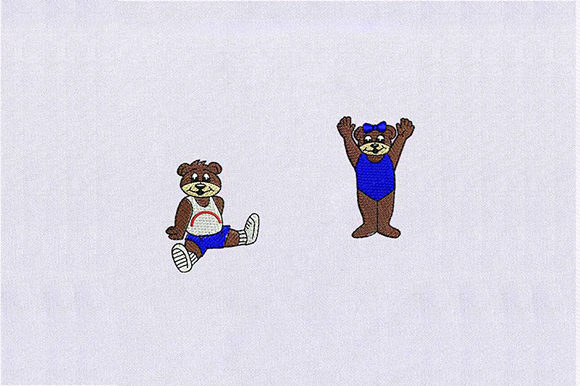
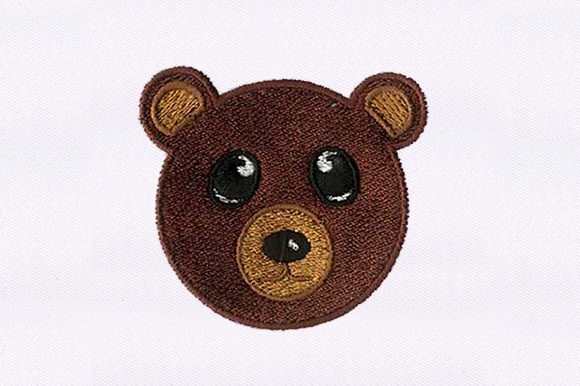
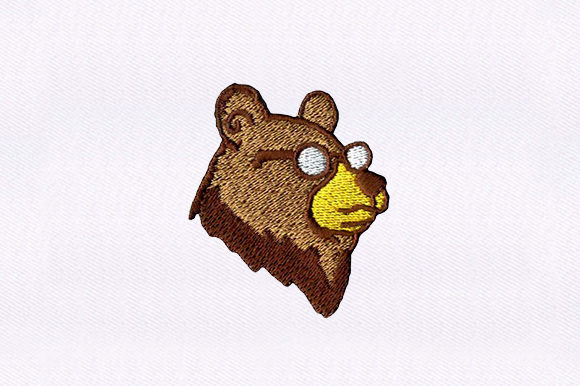
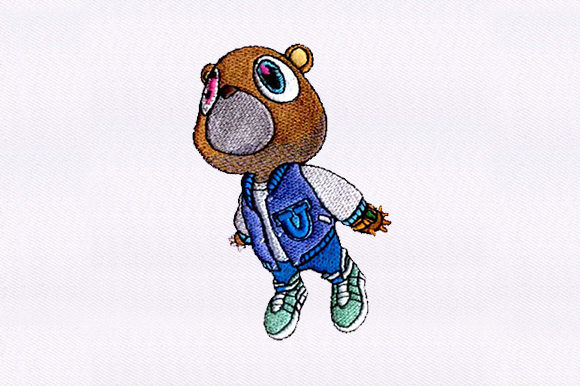
The Teddy Bear design strikes a delicate balance between nostalgic warmth and playful charm. It does not lean heavily into overt holiday symbols like snowflakes or hearts, which makes it a versatile asset for multiple seasonal collections. The emotional tone feels cozy and cute, with a gentle sense of premium care in the stitching. The detail level is moderate, which is exactly what I look for in a design that will work on sweatshirt embroidery, tote bag designs, and kitchen towel embroidery. It is not overly intricate, so it translates well to both small and medium hoop sizes. The overall decorative style leans rustic yet modern, making it appropriate for family matching items and personalized gifts alike. I appreciate that the stitch density feels balanced, neither too sparse nor too heavy, which reduces the risk of fabric puckering on lighter materials. The thread colors in the sample file are warm and inviting, but I will need to test them against both light and dark fabrics to confirm contrast and readability.
Seasonal Appeal and Emotional Connection
During the holiday shopping period, buyers are not just purchasing a product; they are purchasing a feeling. The Teddy Bear design evokes nostalgia and comfort, two emotions that drive gift purchases for children, grandparents, and sentimental friends. This machine embroidery design has a natural giftability that boosts product value in the eyes of the customer. When I imagine it on a pillow cover or an embroidered patch on a tote bag, I see a product that builds customer trust through its familiar, reassuring imagery. The design supports visual recognition in a crowded market, especially on social media previews and printable mockups. It immediately communicates a soft, caring aesthetic that aligns with brand consistency for shops that focus on family, home, or handmade traditions. The seasonal appeal is broad enough to carry through winter holidays, Valentine’s Day, baby showers, and even back-to-school limited edition apparel drops. That flexibility is critical for small shop product planning when you want to maximize a single digital embroidery file across multiple events.
Real Holiday Selling Applications
I have tested the Teddy Bear design in several real selling scenarios, and it performs admirably. For gift bundles, I stitched it onto a kitchen towel paired with a matching embroidered patch on a tote bag design. The combination felt cohesive and gift-ready. On Etsy listings, the design photographs well because the stitch density creates visible texture without overwhelming the fabric. Craft fair displays benefit from the cozy emotional tone, especially when placed on sweatshirt embroidery samples that customers can touch. I also created a family matching items set using the design on adult sweatshirts, children’s tees, and a pillow cover for the home. That set sold quickly at a local holiday market. The design works beautifully on home decor items like table linens and aprons, and it adds a premium feel to personalized gifts like baby blankets or ornament sets. For social media previews and printable mockups, the Teddy Bear design is easy to feature because its shape is recognizable and its emotional tone is immediately readable. I recommend using printable mockups that show the design on both a sweatshirt and a tote bag to demonstrate versatility. Commercial embroidery users should also note that the design’s moderate complexity makes it suitable for both single-needle and multi-needle machines, which is a practical advantage when scaling production for holiday orders.
Where to Use Teddy Bear with Care
No design is perfect for every surface, and the Teddy Bear requires thoughtful placement. I advise caution with small hoop sizes under 4x4 inches, as the interior details may lose clarity if scaled down too aggressively. Avoid tiny lettering if you plan to add text, because the stitch density around the bear’s features can create visual competition. Layered details, such as a bow or extra patch, should be tested on a scrap piece first, especially on thick towels where nap can obscure fine stitching. On dark fabric, the thread colors may need to be adjusted to lighter shades or a white underlay to maintain contrast. Metallic thread is not ideal for this design because the moderate stitch density can cause fraying; stick to standard polyester or rayon threads for best results. Stretchy garments like sweatshirt embroidery require a cutaway stabilizer to prevent distortion, and curved caps may not accommodate the full design unless the cap is a structured style. For items that need repeated washing, such as kitchen towel embroidery or aprons, use a tear-away stabilizer with a water-soluble topping to protect the stitches. I always recommend stitching a test sample on the actual fabric texture you plan to use before committing to a production run.
Practical Embroidery Designer Notes
After working with the Teddy Bear design on several projects, I have compiled a set of practical notes for fellow embroidery designers and Etsy sellers. First, test thread colors on both light and dark fabric to ensure the design reads clearly. I found that a warm brown thread on cream fabric creates a nostalgic look, while a charcoal thread on blush fabric gives a modern twist. Second, check stitch density before hooping; if the design feels too compact, consider increasing the hoop size slightly to spread the stitches. Third, confirm hoop size compatibility with your machine. The embroidery file should fit within the standard working area, but always verify. Fourth, use proper stabilizer based on the fabric: cutaway for knits, tear-away for wovens, and a water-soluble topping for napped fabrics like towels. Fifth, create realistic mockups for your listings. A printable mockup that shows the Teddy Bear on a sweatshirt, a tote bag, and a kitchen towel helps customers visualize the finished product. Sixth, review small details after stitching. Because the design has moderate detail, inspect the eyes, nose, and paw outlines for any skipped stitches. Seventh, plan matching color palettes for your seasonal collection. The Teddy Bear pairs well with earthy tones, pastels, and deep jewel tones, depending on the holiday. Finally, confirm commercial licensing before selling finished products. The machine embroidery design may have restrictions on mass production, so read the license terms carefully. I also recommend documenting your thread colors and stabilizer choices for each product so you can replicate successful results during busy holiday seasons.
Building Your Seasonal Collection Around Teddy Bear
When I plan a seasonal collection, I look for a central design that can anchor multiple product types, and the Teddy Bear fits that role well. For a winter holiday drop, I would pair it with sweatshirt embroidery for adults, tote bag designs for gift giving, and kitchen towel embroidery for hostess presents. For a Valentine’s Day collection, the bear works on pillow covers and embroidered patches that can be added to handmade gift bundles. For baby showers or new parent gifts, the design feels natural on aprons, table linens, and personalized gift items like blankets or bibs. The seasonal embroidery potential is strong because the bear’s emotional tone does not compete with holiday themes; it complements them. Buyer emotion is consistently positive when the design is presented in a cozy, playful context. The product value increases when customers see a design that feels both premium and handmade. I have noticed that customer trust improves when a shop offers cohesive holiday embroidery collections that feel intentional rather than scattered. The Teddy Bear helps maintain brand consistency because its style is adaptable without losing its core identity. For engagement during holiday shopping periods, I recommend using the design in social media previews that show the stitching process, the finished product, and the packaging. Customers love to see the care that goes into each handmade gift. The digital embroidery file’s versatility also allows for limited edition apparel drops that feel exclusive yet accessible. Whether you are a small shop product creator or a craft fair display veteran, the Teddy Bear design offers a reliable foundation for building a seasonal collection that resonates with real buyers.