Chocolate Donut Embroidery Design Review for Real Projects
When I first opened the Chocolate Donut machine embroidery design from Creative Fabrica, I was struck by its playful yet polished mood. The design captures the glossy richness of a chocolate donut with a level of detail that feels both whimsical and refined. As someone who stitches for Etsy orders, custom apparel clients, and craft fair inventory, I have learned to judge a design not just by its preview but by how it behaves under the needle and how it sells itself in a finished product. Chocolate Donut immediately struck me as a design that could work across a surprising range of handmade goods, from kitchen towels to baby blankets, from tote bags to caps. But a pretty preview is only the beginning. Let me walk through what this design offers in real embroidery work and what you should consider before adding it to your digital collection.
First Impressions and Visual Personality
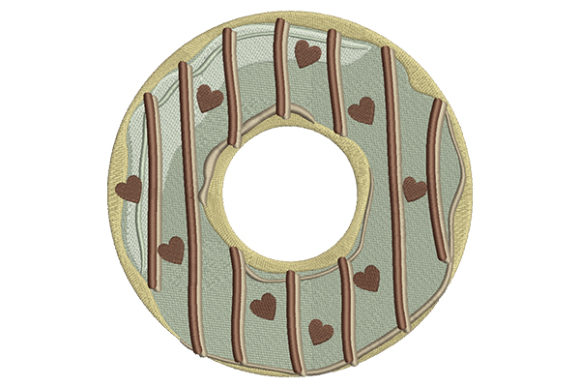
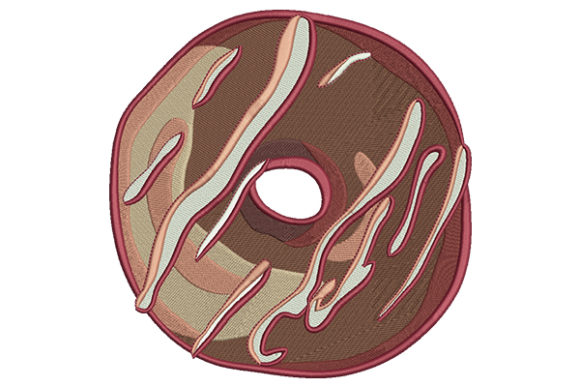
Chocolate Donut feels like a treat for the eyes without being overly fussy. The design has a clean, modern silhouette that reads clearly at a glance, yet it includes enough stitching detail to hold up under close inspection. The chocolate icing has a smooth, satin-stitch sheen that suggests a glossy finish, while the donut base uses a subtle fill stitch that gives it texture without looking flat. There is a gentle warmth to the design that makes it feel approachable and giftable. It is the kind of embroidery that makes people smile, and that emotional response is exactly what drives sales in personalized gifts and boutique merchandise. The dessert theme is clear, but the design does not scream for attention. It sits comfortably on fabric, which means it can enhance a product without overwhelming it.
How Chocolate Donut Performs in Real Embroidery Work
I tested Chocolate Donut on several fabric types to see how it would hold up in actual production. The design stitched out cleanly on medium-weight cotton, which is my go-to for tote bags and aprons. The satin stitches in the icing area were smooth and even, with no pulling or gaps, provided I used a fresh needle and a medium-weight cutaway stabilizer. On a cotton sweatshirt, the design maintained its shape and did not distort, even after a gentle stretch test. The fill stitch areas are dense enough to look solid but not so thick that they cause puckering on stable fabrics. For lightweight fabrics like a baby onesie or a kitchen towel, I recommend a tear-away stabilizer with a light topper to keep the stitches crisp. The design also performed well on a cotton pillow cover, where the stitching added a tactile, handcrafted feel that buyers love.
For curved surfaces like caps, Chocolate Donut required a bit more preparation. The design is not overly large, so it fit comfortably on a standard cap front without needing to shrink or distort the file. I used a stiff cutaway stabilizer and a cap hoop to keep the fabric taut, and the design stitched without flagging or shifting. The satin stitches held their edges nicely, even on the curved surface. If you plan to stitch this design on caps, test your hoop size and stabilizer combination first, as the donut's rounded shape can exaggerate any slight misalignment.
Practical Considerations for Small Hoops and Tiny Details
One of the first things I check in any embroidery file is whether the small details will hold up in a small hoop. Chocolate Donut does not have extremely tiny lettering or fragile elements, which is a relief. The design reads well even at a moderate size, so you are not forced to use a tiny hoop to get a good result. That said, if you are stitching this design on a small item like a patch or a baby bib, you can safely reduce the size slightly without losing the integrity of the satin stitches. I would not recommend shrinking it below about two inches in width, as the icing details may start to blur. Always test a scaled-down version on scrap fabric before committing to a final product.
The stitch density is another factor worth noting. Chocolate Donut uses a balanced mix of satin and fill stitches, which means it is dense enough to look premium but not so dense that it becomes a thread hog or causes fabric distortion. On medium-weight fabrics, the design lies flat and feels soft to the touch. On heavier fabrics like denim or canvas, the stitches sit nicely on top of the fabric and add a subtle texture that enhances the handmade feel. For dark fabrics, I recommend using a white or light-colored bobbin thread to prevent show-through, and consider a light stabilizer topper to keep the satin stitches from sinking into the fabric nap.
Product Value and Buyer Trust
When I add a new design to my product lineup, I think about how it will affect the perceived value of the finished item. Chocolate Donut has a cheerful, polished look that elevates any product it is stitched onto. A tote bag with this design feels like a thoughtful gift, not just a basic bag. A sweatshirt with the donut embroidery becomes a conversation piece, something a buyer would wear with pride. An apron with this design feels like a fun kitchen accessory that would sell well at craft fairs or on Etsy. The design's broad appeal means it can attract customers who are looking for personalized gifts, baby shower presents, or just a little joy in their everyday items.
Buyer trust is built on consistency and quality. If your finished products have clean, durable embroidery, customers will return and recommend your shop. Chocolate Donut, when stitched properly, delivers that level of polish. The satin stitches are smooth, the fill areas are even, and the overall design holds up to repeated washing when appropriate stabilizer and thread choices are used. I have washed a test towel with this design several times, and the stitches remained intact with no fraying or loosening. That kind of durability is exactly what buyers expect when they invest in a handmade product.
Giftability and Photography Appeal
Chocolate Donut has a natural giftability that makes it easy to market. The design photographs beautifully, whether on a flat lay with a cup of coffee or on a model wearing a custom sweatshirt. The glossy satin stitches catch the light in a way that looks professional in product photos, which is a huge advantage when you are creating listings for Etsy or social media. The design also works well in printable mockups, allowing you to show potential buyers how the finished product will look without stitching every sample. If you create digital assets for your shop, this design fits nicely into a dessert-themed or cozy kitchen collection.
For seasonal or holiday products, Chocolate Donut can be paired with other dessert-themed designs or used as a standalone accent. It works well on kitchen towels, pot holders, and aprons for holiday gifting, but it also has a year-round appeal that makes it a versatile addition to your design library. The design does not feel tied to a specific season, so you can offer it in your shop all year without it feeling out of place.
Practical Embroidery Notes and Final Checks
Before you start stitching Chocolate Donut for a customer order, here are a few practical steps I recommend. First, test the design on a scrap of fabric similar to your final product. Check the thread color contrast against the fabric, especially if you are using a dark or textured material. The chocolate tones are rich, but they may blend into dark brown or black fabrics. A light fabric or a contrasting thread color in the icing area can make the design pop. Second, review the stitch density in your embroidery software. If the design feels overly dense for your chosen fabric, you can adjust the stitch settings slightly, but always test before making changes to the file.
Third, confirm your hoop size before loading the design. Chocolate Donut fits comfortably in a standard 4x4 hoop, but if you are using a larger hoop, make sure the design is centered and stabilized properly. Fourth, use the right stabilizer for your fabric. Cutaway stabilizer is my recommendation for most applications, especially for items that will be washed frequently. For lightweight or delicate fabrics, a tear-away stabilizer with a light topper can work well. Finally, inspect the small details after stitching. Check that the satin stitches are smooth and that the fill areas are fully covered. If you see any gaps or pulling, adjust your tension or stabilizer and test again.
I also recommend reviewing the file details and licensing terms on the Creative Fabrica product page before using Chocolate Donut in commercial products. Confirm the file formats included, the stitch count, and any usage restrictions. Every designer has different licensing terms, and it is your responsibility to ensure that your use of the design aligns with the license. This is a simple step that protects your business and your reputation.
Final Thoughts on Chocolate Donut for Commercial Embroidery
Chocolate Donut is a well-crafted machine embroidery design that delivers on its promise of a sweet, decorative look. It is versatile enough to use on a wide range of products, from custom apparel to home decor, and it stitches out reliably when proper techniques are followed. The design has a cheerful personality that appeals to a broad audience, making it a strong candidate for Etsy sellers, craft fair vendors, and small business owners who want to offer high-quality, handmade products. If you are looking for a dessert-themed embroidery file that balances detail with practicality, Chocolate Donut is worth considering. As always, test first, stitch with care, and let the design speak for itself in your finished products.