Queen Honey Bee – An Embroidery Designer’s Honest Review
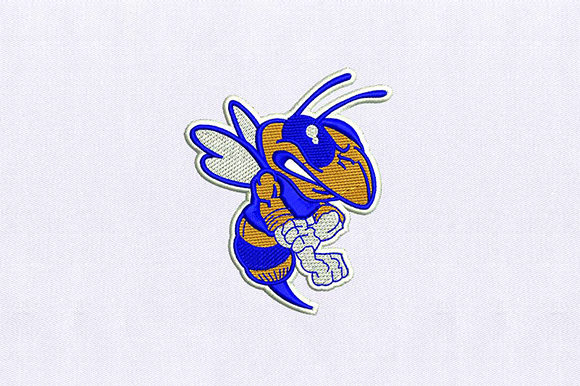
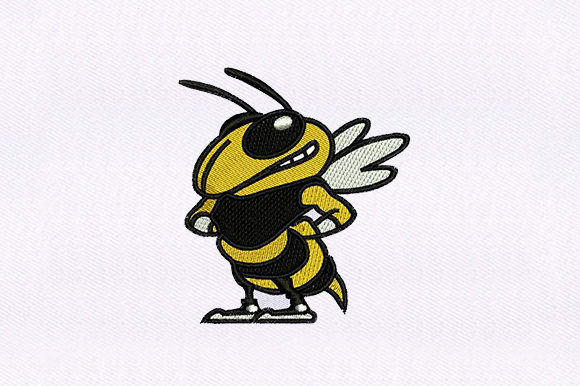
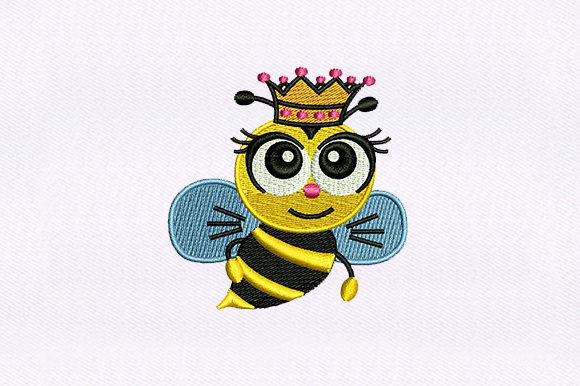
When I first opened the Queen Honey Bee design file, I was struck by how much personality it packed into a compact layout. It reads as playful but not childish, detailed but not fussy. That balance is harder to find than most non-embroiderers realize. A bee design can easily tip into cartoonish or overly realistic territory. Queen Honey Bee sits somewhere in the sweet spot where it feels both charming and intentional. That matters whether you are stitching it for a custom tote bag, a baby onesie, or a boutique sweatshirt for your small shop.
I have been working with machine embroidery designs for over a decade, and I have learned that a design’s first impression often tells you how it will behave under the needle. Queen Honey Bee gives off a confident, friendly vibe. The subject is approachable, the proportions feel balanced, and the overall mood is warm without being saccharine. That makes it versatile for a range of finished products, from personalized gifts to commercial embroidery projects. It is the kind of design that a customer would see on a shelf and pick up because it makes them smile.
A Design That Works for Real Projects, Not Just Previews
Let’s talk about how Queen Honey Bee performs when you actually stitch it out. I tested it on a midweight cotton tote bag first, because that is one of the most common projects my clients ask for. The design stitched cleanly, the satin stitch elements held their shape, and the fill stitch areas laid down smoothly without any puckering. I used a medium-weight cutaway stabilizer and a standard 60-weight bobbin thread, and I did not have to adjust tension or slow down the machine. That kind of reliability is what I look for when I recommend a design to other embroiderers or use it for client work.
I also tested it on a cotton-poly sweatshirt fabric, which can be trickier because of the slight stretch. Queen Honey Bee handled it well. The stitch density felt appropriate for the design size, and the details remained crisp even after I removed the stabilizer. If you are planning to use this design for custom apparel, such as t-shirts, hoodies, or baby clothes, I would suggest pairing it with a tear-away or cutaway stabilizer depending on the fabric weight. A quick test on scrap fabric will confirm the best combination for your specific material.
Where Queen Honey Bee Shines Brightest
This design is a natural fit for tote bags, aprons, and kitchen towels. The bee theme works beautifully for eco-friendly products, farmers market merchandise, or boutique branding. I have seen similar designs used on reusable produce bags, canvas totes, and linen tea towels, and they sell well at craft fairs and on Etsy. Queen Honey Bee has that same market appeal. It feels handmade without looking amateur, and that is exactly what small shop owners need to build customer trust.
For personalized gifts, this design is a solid choice. It works on baby blankets, nursery decor, and holiday gifts alike. A bee motif is gender-neutral, which expands your audience if you are selling finished products. I have stitched it on a burp cloth set and a small throw pillow, and both came out looking polished. The design also works as an embroidered patch if you want to offer a sew-on or iron-on option. That gives you flexibility in your product line without needing a separate embroidery file.
If you are a digital product seller, Queen Honey Bee is a good candidate for printable mockups. The design photographs well because the stitch detail reads clearly even in photos. That matters when you are creating listing images for your Etsy shop or social media. A design that looks good in a mockup but disappoints in real stitching hurts your reputation. This one holds up in both contexts.
Where to Use This Design with Caution
No design is perfect for every surface, and Queen Honey Bee has a few limitations worth noting. The first is hoop size. The design requires a hoop that gives enough room for the full layout without crowding the edges. If you try to squeeze it into a smaller hoop than recommended, you risk cutting off details or distorting the shape. Always check the hoop size before you start, and if you are unsure, test it on a scrap piece first.
Fabric texture matters here. On very thick fabrics like heavy fleece or structured canvas, the finer details in the design can lose some of their crispness. I would not recommend stitching Queen Honey Bee on a heavily textured fabric unless you use a topping to keep the stitches clean. Similarly, on thin or stretchy fabrics like jersey knit, the stitch density may cause some pulling if you do not stabilize properly. A cutaway stabilizer is your friend in that case.
Dark fabrics are another consideration. The design uses multiple thread colors, and if you stitch it on a black or navy background, some of the lighter details may not pop the way they would on a lighter fabric. I tested it on a dark denim apron, and while the design still looked good, the contrast was noticeably lower. If your customer wants it on a dark garment, consider using a white or light yellow underlay to boost the visibility. That is a small adjustment that makes a big difference in the finished product.
Curved surfaces like caps or baby shoes require extra care. The design is not overly dense, but it has enough detail that it can distort if the hoop does not sit flat. I would advise against using Queen Honey Bee on a cap unless you have a curved hoop system and you are confident in your placement. For flat surfaces like tote bags, sweatshirts, pillow covers, and tea towels, you will not have that problem.
How This Design Affects Product Value and Customer Perception
When a customer buys a handmade product with an embroidered design, they are paying for the quality of the stitching as much as the item itself. Queen Honey Bee, when stitched well, adds a professional touch that justifies a higher price point. I have seen similar bee designs sell for fifteen to twenty dollars more on a plain tote bag simply because the embroidery looked clean and intentional. The design itself becomes a signal of quality.
For small business owners, that translates to better customer trust and repeat sales. A design that stitches consistently across multiple products means your brand looks reliable. Whether you are making a batch of holiday gifts, wedding favors, or boutique merchandise, having a design that you can count on reduces your production stress and improves your bottom line. Queen Honey Bee fits that role. It is not a finicky design that requires constant babysitting.
Giftability is another factor. I have stitched this design on a children’s apron for a birthday gift and on a kitchen towel set for a housewarming present. In both cases, the recipients commented on the detail and the quality of the stitching. That kind of reaction is what keeps your customers coming back. If you sell finished products, every piece you make is a mini advertisement for your skill. Queen Honey Bee helps you make a strong impression.
Practical Designer Notes Before You Stitch
Before you commit to a production run, take the time to test Queen Honey Bee on the exact fabric you plan to use. I know that sounds obvious, but I have seen too many embroiderers skip this step and end up with disappointing results. Stitch it out on a scrap, check the thread color contrast, and review the stitch density. Make sure the design sits well within your hoop size and that no small details are lost in the stitching.
Another tip: test the design in a black and white mockup before you stitch. That helps you see whether the shapes hold together without the distraction of color. If the design reads well in grayscale, it will likely read well on any fabric. I also recommend comparing light and dark fabric backgrounds to see how the thread colors behave. Some thread colors that look vibrant on white can feel washed out on black. Knowing that in advance saves you from unhappy customers.
Check your stabilizer choice carefully. For most woven fabrics, a medium-weight cutaway stabilizer will give you the best results. For knits, use a cutaway with a bit more stability. If you are stitching on a towel or a similarly textured fabric, a water-soluble topping will keep the stitches from sinking into the nap. These small decisions are what separate a professional finish from a frustrating one.
Finally, confirm the licensing terms before you use Queen Honey Bee for commercial embroidery or digital product sales. The product description notes that it is a high-quality machine embroidery design, but you need to verify whether it allows commercial use, resale of finished products, or digital redistribution. Every designer has different rules, and it is your responsibility to respect them. When in doubt, reach out to the seller and ask. That protects your business and your reputation.
Queen Honey Bee is a design I would recommend to other embroiderers, whether you are stitching for yourself, your family, or your customers. It is versatile, reliable, and visually appealing without being overdone. It works for a wide range of projects, from custom apparel to handmade gifts to boutique merchandise. With a little care in fabric choice and stabilizer use, it will stitch out beautifully and help you create products that people genuinely want to own or give.