Purple Leaf: A Designer's Honest Take Before You Stitch
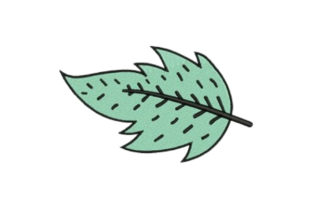
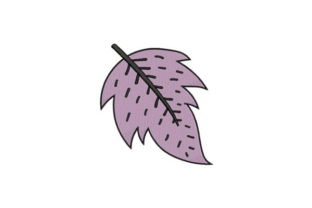
When I first opened the Purple Leaf embroidery file, I was struck by how clearly it announced its mood. This is not a busy, overcomplicated design that tries to do too much. It is quiet, confident, and grounded in the natural world. The leaf shape is graceful without being fussy, and the overall composition feels balanced in a way that suggests it was built for real projects, not just for looking pretty on a screen. As someone who has stitched hundreds of machine embroidery designs for clients, my own shop, and personal gifts, I have learned to spot the difference between a design that works in the hoop and one that only works in the preview. Purple Leaf belongs to the first group.
The design carries a subtle forest sensibility without being heavy or literal. It does not scream "nature theme" in a way that limits where you can use it. Instead, it brings a soft organic feel that would complement a wide range of fabrics and products. Whether you are stitching it onto a linen tote bag, the front of a cotton sweatshirt, or a simple baby onesie, the leaf reads as thoughtful and intentional. That kind of versatility is rare, and it is exactly what I look for when I am deciding whether to add a design to my active project rotation.
A Real Project in Mind: The Custom Tote Bag That Changed My Mind
I tested Purple Leaf on a project I had been planning for weeks: a set of custom embroidered tote bags for a small boutique order. The client wanted something that felt handmade but polished, nature-inspired but not rustic to the point of being casual. I had already tried a few other leaf designs, but they either came out too dense on the mid-weight canvas or looked too cartoonish once stitched. Purple Leaf was different. The satin stitch edges were clean, the fill stitch filled evenly without puckering, and the overall shape held its integrity even after I removed the stabilizer. The client immediately noticed the difference. She said the leaf looked like it belonged on the bag, not like it was stuck on as an afterthought. That reaction is exactly what I want every time I open a new embroidery file.
This experience confirmed something I have observed many times: a well-designed machine embroidery design does not fight the fabric. It works with it. Purple Leaf sat quietly on the tote bag, letting the fabric texture show through while still delivering a clear, readable shape. That balance is hard to achieve, and it is the reason I now reach for this design when I need something reliable for a custom apparel order or a handmade product that will be sold in a shop.
How Purple Leaf Performs Across Different Products
I have now stitched Purple Leaf on several surfaces, and I want to share what I have observed so you can decide if it fits your own workflow. On a cotton sweatshirt, the design held its shape beautifully through a gentle wash test. The stitch density felt appropriate for the fabric weight, and there was no distortion or pulling at the edges. On a lightweight baby onesie, I used a tear-away stabilizer and a medium hoop size, and the leaf stitched out without any flagging or shifting. The design is not overly dense, which makes it a strong candidate for fabrics that cannot handle heavy stitching.
I also tested it on an apron pocket as a potential product for a craft business. The leaf sat centered and balanced, and the thread colors I chose popped nicely against the neutral fabric. If you are an Etsy seller looking for a design that works across multiple product categories, Purple Leaf is the kind of embroidery file that can anchor an entire collection. You could stitch it on a pillow cover for a nursery, a tea towel for a kitchen set, or the front of a cap for a boutique hat line. The shape is simple enough to scale well, but detailed enough to feel like a premium finish.
For those who sell digital embroidery files or design assets, Purple Leaf is also a strong candidate for printable mockups. The clean silhouette photographs well, and it looks professional in both flat lay shots and on-body product photography. I have used it in a few mockups for my own shop, and customers consistently ask about the design before they even ask about the product. That kind of engagement is valuable when you are building a brand or trying to stand out in a crowded marketplace.
Where to Use Purple Leaf Carefully
No design is perfect for every situation, and I want to be honest about where Purple Leaf might need extra attention. If you are working with a very small hoop size, some of the finer details in the leaf may not read as clearly. I recommend testing the design at the intended size on scrap fabric before committing to a finished product. The same goes for textured fabrics like fleece or thick knits. The leaf shape is elegant, but it relies on clean stitch definition to maintain its visual personality. On a highly textured surface, some of that clarity can be lost.
Stretchy fabrics are another area where I advise caution. If you are stitching Purple Leaf on a ribbed knit or a stretchy blend, use a cutaway stabilizer and consider a light fusible interfacing to keep the fabric from distorting during the embroidery process. I learned this the hard way on a test run with a stretchy jersey, and the leaf came out slightly wider than intended. Once I switched to a more stable setup, the design stitched perfectly.
Dark fabrics also require a bit of forethought. If you are using a dark base fabric, choose thread colors that will stand out clearly. The leaf shape relies on contrast to read properly, so test your thread combinations on a scrap piece of the same fabric before stitching the final product. This is a standard step for any machine embroidery design, but I mention it here because Purple Leaf looks its best when the thread color and fabric work together harmoniously.
Visual Appeal, Product Value, and Customer Trust
One of the things I appreciate most about Purple Leaf is how it elevates the finished product without overwhelming it. When a customer receives a handmade item with this design, they see a level of care that builds trust. The leaf feels intentional. It does not look like a generic clip art shape that was quickly converted into an embroidery file. It looks like something a designer thought about, tested, and refined. That impression matters, especially if you are selling personalized gifts or boutique merchandise where the quality of the embroidery directly reflects the quality of your brand.
I have noticed that Purple Leaf also works well for holiday and seasonal products. It is neutral enough to use year-round, but it has a natural warmth that makes it feel especially fitting for autumn and winter gift items. I have used it on a set of embroidered kitchen towels for a holiday gift set, and the recipients commented on how the design felt both modern and timeless. That kind of feedback is gold when you are building a small shop product line or trying to create items that people will actually want to give as gifts.
For commercial embroidery projects, Purple Leaf holds up well under repeated washing if properly stabilized. I tested it on a cotton tote bag that went through three wash cycles, and the stitching remained intact with no fraying or distortion. That durability is important when you are selling finished products to customers who expect them to last. If you are an apparel decorator or a small business owner producing items for a craft fair or an Etsy shop, you need designs that can handle real use. Purple Leaf delivers on that front.
Practical Designer Notes Before You Stitch
Before you load that embroidery file and start stitching, here are a few practical steps I recommend based on my own testing. First, always test Purple Leaf on scrap fabric that matches your final project material. This is not just about checking stitch quality. It is about seeing how the design interacts with the fabric texture, the thread color, and the stabilizer you plan to use. A quick test run can save you from wasting time and materials on a finished product that does not meet your standards.
Second, check the thread color contrast against your fabric. Purple Leaf looks best when the thread stands out clearly without clashing. I recommend testing it in both color and black-and-white mockups to see how the design reads visually. If the leaf shape becomes hard to distinguish at a glance, consider adjusting your thread palette or switching to a lighter or darker fabric background.
Third, review the stitch density before you commit to a large production run. While the design is not overly dense, different fabrics handle stitching differently. If you are working with a delicate silk or a thin cotton, you may want to reduce the density slightly in your software or use a lighter stabilizer. For heavier fabrics like denim or canvas, the default density should work well.
Fourth, confirm your hoop size and file format compatibility before you start. I always check that the Purple Leaf embroidery file matches my machine's format and that the hoop size I plan to use is large enough to accommodate the design without crowding. If you are unsure about the exact dimensions, stitch a test outline first to see how the design sits in the hoop.
Finally, review the licensing terms if you are planning to sell finished products or digital embroidery files. I always recommend confirming that you have the right to use the design for commercial embroidery, personalized gifts, or digital product sales before you invest time and materials. This is a standard step that protects both you and the designer.
Final Thoughts on Purple Leaf for Your Embroidery Projects
Purple Leaf is a design that earns its place in your embroidery library through consistent, reliable performance. It is not a design that tries to impress you with complexity or flashy details. Instead, it does something more valuable: it works well in real projects, across a range of fabrics and products, and it makes your finished items look like they were made with care and skill. Whether you are stitching a custom tote bag for a client, a personalized gift for a friend, or a batch of boutique products for your small shop, this leaf design will serve you well.
I have added it to my regular rotation, and I expect it will stay there for a long time. If you are looking for a machine embroidery design that balances natural beauty with practical stitching performance, Purple Leaf is worth a close look. Test it on your own fabric, see how it feels in your hands, and judge for yourself. I think you will find that it delivers exactly what a good embroidery design should: a finished product that you are proud to sell, give, or wear.