Human Skull Face: A Business-Ready Embroidery Review
As an embroidery designer who regularly evaluates digital files for small business branding, I was eager to test the Human Skull Face machine embroidery design. At first glance, this isn't just a Halloween novelty; it is a versatile branding asset for businesses cultivating an edgy, bold, or classic aesthetic. Whether you run a coffee roaster, a tattoo studio, a handmade leather goods shop, or a seasonal pop-up, the Human Skull Face offers a detailed, high-impact look that can elevate your custom apparel and branded merchandise. Let me walk you through how this design performs in the real world of commercial embroidery, from patches to caps and tote bags.
First Impressions & Visual Personality
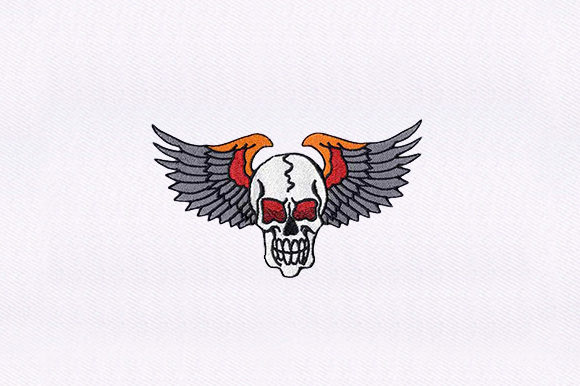
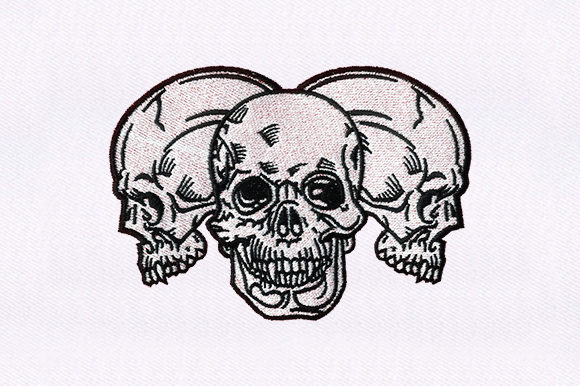
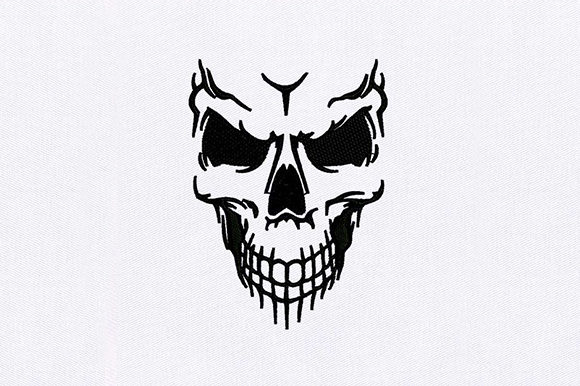
The Human Skull Face design leans heavily into intricate detail, which immediately tells me it was digitized with a focus on quality. It feels bold, structured, and slightly premium. It is not a cartoonish or overly playful skull; it has a more grounded, classic silhouette that communicates strength and resilience. For a small business, this translates to a brand identity that feels established and confident. It can be used to signal a rustic, handmade, or even rebellious edge, depending on your thread color choices and the fabric it is stitched on.
While the product category is Halloween, I see this design working year-round for businesses that want a consistent, recognizable mark. A bakery specializing in spooky treats, a florist with an alternative style, or a pet brand focusing on tough breeds can all leverage the Human Skull Face as a signature logo element. The key is understanding that this design carries weight it demands attention on the finished product, which is exactly what you want for small business merch.
Real-World Performance on Business Merchandise
How does the Human Skull Face hold up when stitched onto actual products? Here is a breakdown based on common applications for apparel decorators and Etsy sellers.
Embroidered Patches
This is where the Human Skull Face truly shines. As an embroidered patch, the design can be stitched on sturdy twill or felt, cut precisely, and applied to any product. Small businesses can offer these as limited drops, add-ons, or standard merch. The detail in the face and jawline will look crisp and professional, making it a high-value item for customers. Patches are forgiving; you can use a higher stitch density without worrying about fabric puckering, which allows the design to stand out beautifully.
Cap Embroidery
Cap embroidery is a different challenge. The curvature of the front panel can distort a detailed design. I recommend testing the Human Skull Face at a size that fits comfortably within a standard cap front (usually around 2.5 inches tall by 4.5 inches wide). If the design is too large or the stitch density is too high, you may see puckering or distortion. Always use a cap frame and a quality stabilizer to maintain the shape. For a local business, a cap with a clean, detailed skull logo can become a best-selling uniform item.
Apron & Tote Bag Design
For a café, creative studio, or handmade shop, branding staff with an apron embroidery featuring the Human Skull Face creates a memorable, uniform look. It feels premium and artisan. On a tote bag, the design acts as a walking billboard for your brand. The key is to ensure the fabric is sturdy enough to handle the stitch count. Canvas and heavy cotton twill are ideal. This design adds a handmade, customized feel that customers associate with quality and care.
Work Shirts & Uniforms
As a chest logo or back design on work shirts, the Human Skull Face makes a bold statement. It works best for businesses where an edgy or strong visual is part of the brand identity, such as a motorcycle garage, a craft brewery, or a tattoo studio. If you are considering this for a more mainstream boutique, test it in a single color (like black or white) to see if it tones down the aggressiveness while maintaining the visual impact.
Critical Design Considerations & Cautions
An experienced designer knows that every design has limitations. The Human Skull Face demands respect during the digitizing and stitching process. Here are the key factors to review before production.
- Stitch Density: The description highlights that this is a detailed embroidery. High stitch density ensures the design stitches out solid and opaque, but it can make the fabric stiff. On light or delicate fabrics, you risk puckering. Always use a quality cut-away stabilizer for garments to prevent “tunneling” and maintain shape over repeated washes.
- Size Limitations: If you plan to use the Human Skull Face as a small chest logo (e.g., 2 inches tall), the intricate details (like the eye sockets and teeth) might not resolve well. They could become a blob of thread. I recommend testing at multiple sizes, starting at 3 inches and scaling up, to find the sweet spot where the detail remains crisp.
- Curved Surfaces: Cap fronts and sleeve patches need digitizing that accommodates curves. Because this is a flat design, check for distortion on curved surfaces. A slight curve can cause the jaw to stretch or the eyes to misalign. A test stitch is non-negotiable here.
- Fabric Texture: Smooth fabrics (cotton, polyester, twill) are ideal. Textured fabrics (fleece, heavy knits, or terry cloth) require a water-soluble topping to prevent the stitches from sinking into the fabric. Without a topping, the Human Skull Face will lose its sharpness.
- Thread Colors: The design likely comes with a color step file. A monotone skull (black outline, white fill) is classic and reduces production time. Multi-color adds dimension but increases the number of thread changes and cost. Test it in black and white first to check the density and pull compensation before adding extra colors.
- Washability: High stitch density means the design is durable, but it also means there is more thread that can be snagged. Advise your clients to turn garments inside out and wash on cold to preserve the embroidered patch or logo.
Effect on Brand Identity & Customer Perception
Using a skull as a brand mark is a conscious choice. It signals a specific set of values: independence, resilience, or a celebration of the darker aesthetic. For a small business, this can be a powerful differentiator.
Customer Trust & Recognition: A high-quality embroidered skull patch feels substantial. It tells the customer that the business pays attention to detail. When the Human Skull Face is stitched cleanly, it builds trust. Customers will recognize the logo from across the room, which is the goal of branded merchandise.
Product Value: An embroidered design adds perceived value. A tote bag with a detailed skull patch feels more expensive than a screen-printed one. Customers are willing to pay a premium for a finished product that looks and feels handmade. This is especially important for Etsy sellers and craft business owners who rely on the quality of their design assets to justify their pricing.
Visual Consistency: Ensure the Human Skull Face style matches your other brand assets. If your brand is minimal and clean, a highly detailed skull might clash. But if your brand is rustic, edgy, or alternative, this design will fit perfectly. It can become a central part of your brand identity, used across uniforms, patches, and product labels.
Practical Embroidery Designer Notes for Production
Before you commit to stitching 100 caps or patches, take these steps to ensure the Human Skull Face performs perfectly for your commercial embroidery projects.
- Test in Black and White First: This will reveal any issues with stitch density, pull compensation, or gaps in the design. It is the fastest way to see if the digitizing is solid.
- Check the File Format: The product description does not specify the file format. Ensure you have the correct digital embroidery file for your machine (e.g., .DST, .PES, .EXP). If you are buying from a marketplace, confirm this before download.
- Verify Hoop Size: A detailed design like this may require a 5x7 hoop. Check the dimensions of the Human Skull Face against your available hoop sizes. A 4x4 hoop might be too restrictive for the full detail.
- Use Proper Stabilizer: For garments, use a cut-away stabilizer. For patches, use a tear-away or a heavy-weight cut-away. For textured fabrics, add a water-soluble topping. The stabilizer is just as important as the design itself.
- Create a Mockup for Client Approval: Before stitching on a final product, create a printable mockup or use a digital mockup to show your client how the Human Skull Face looks on a cap, apron, or tote bag. This reduces the risk of rework and ensures the client is happy with the placement and size.
- Confirm Commercial Licensing: This is crucial. The product description does not explicitly state commercial use rights. If you are an embroidery shop or Etsy seller making items for sale, verify the licensing agreement. You need the right to use the Human Skull Face design on items you sell. Do not assume it is included.
- Compare with Other Design Assets: If you already have a logo or brand assets, stitch a sample of the Human Skull Face beside them. Ensure they complement each other in style and weight. Visual consistency across all your design assets builds a stronger brand.
Final Verdict for Small Business Use
The Human Skull Face is a robust, detailed machine embroidery design with immense potential for small business merch and branded patches. It is not a simple, throwaway file; it is a serious design asset that can anchor an entire product line. With careful attention to sizing, stabilizer, and licensing, it can become a signature element of your brand identity. It will work best on sturdy fabrics like twill, canvas, and cotton, and it shines as an embroidered patch. Treat it with the respect it deserves, and it will pay off in customer recognition and perceived product value. As always, test thoroughly before full production, and ensure your commercial embroidery projects are built on a foundation of quality digitizing and proper technique.